01
Water Damage Restoration
Emergency assessment, water removal, drying, moisture detection and full property restoration for homes and businesses.
Learn MoreFast, professional help for flooded basements, burst pipes, water leaks, sewage backups and property water damage throughout Mississauga.
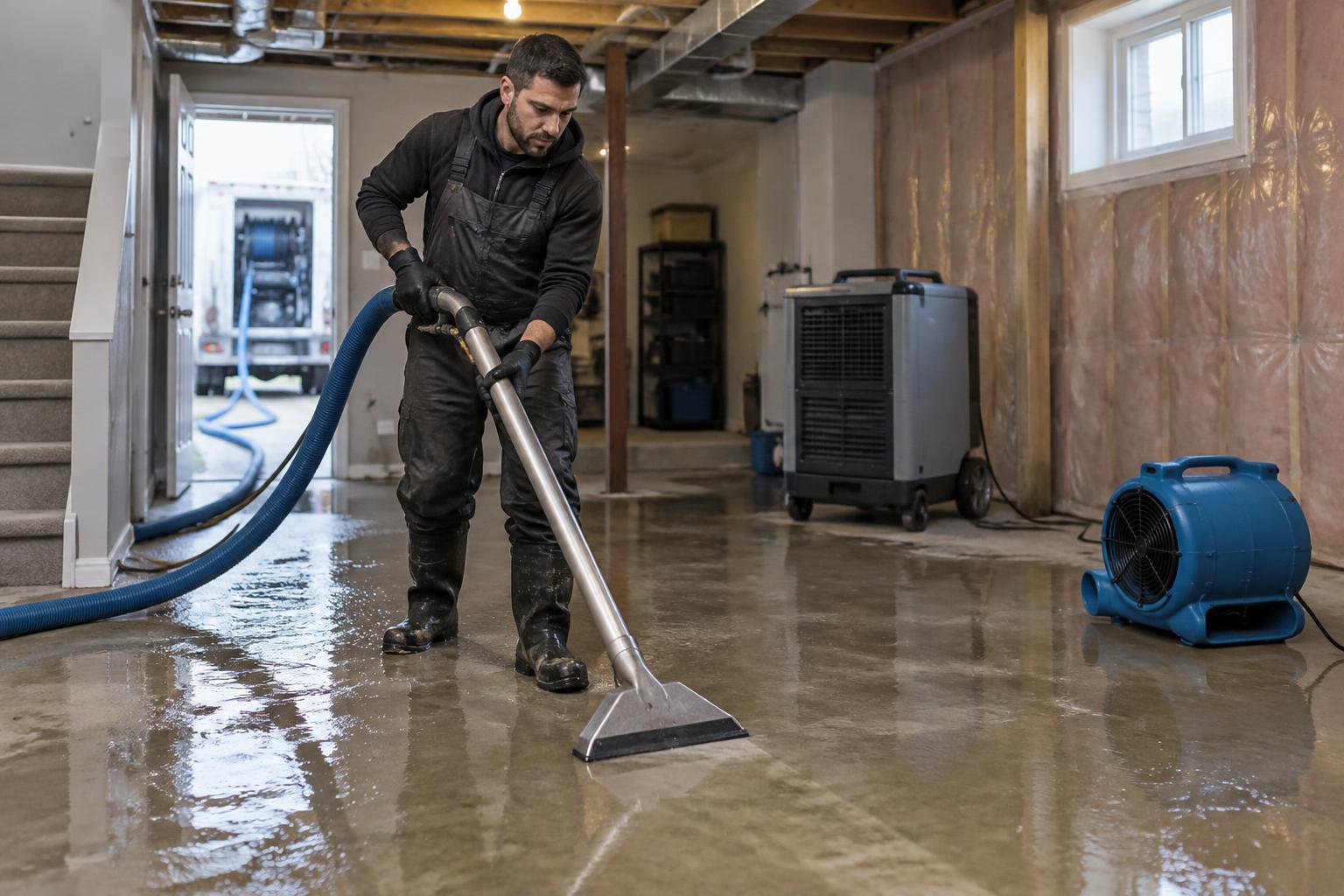
Field: standing water extraction — Mississauga basement
24-Hour Response
Water keeps moving into drywall, subfloors and framing for as long as it sits. Acting quickly, shutting off the source and starting extraction and drying early can help limit additional damage and keep the restoration smaller.
Services
Emergency assessment, water removal, drying, moisture detection and full property restoration for homes and businesses.
Learn MoreStanding water removal with industrial pumps and wet vacuums, followed by moisture monitoring and structural drying.
Learn MoreCleanup and drying after heavy rain, sump pump failure, foundation leaks, sewer backups and burst pipes.
Learn MoreWater removal, removal of damaged materials, drying, sanitization and full restoration after a flood event.
Learn MoreContamination control, removal of affected materials, cleaning, sanitization and drying after a sewer backup.
Learn MoreImmediate extraction and drying after frozen pipes, broken plumbing and supply line leaks.
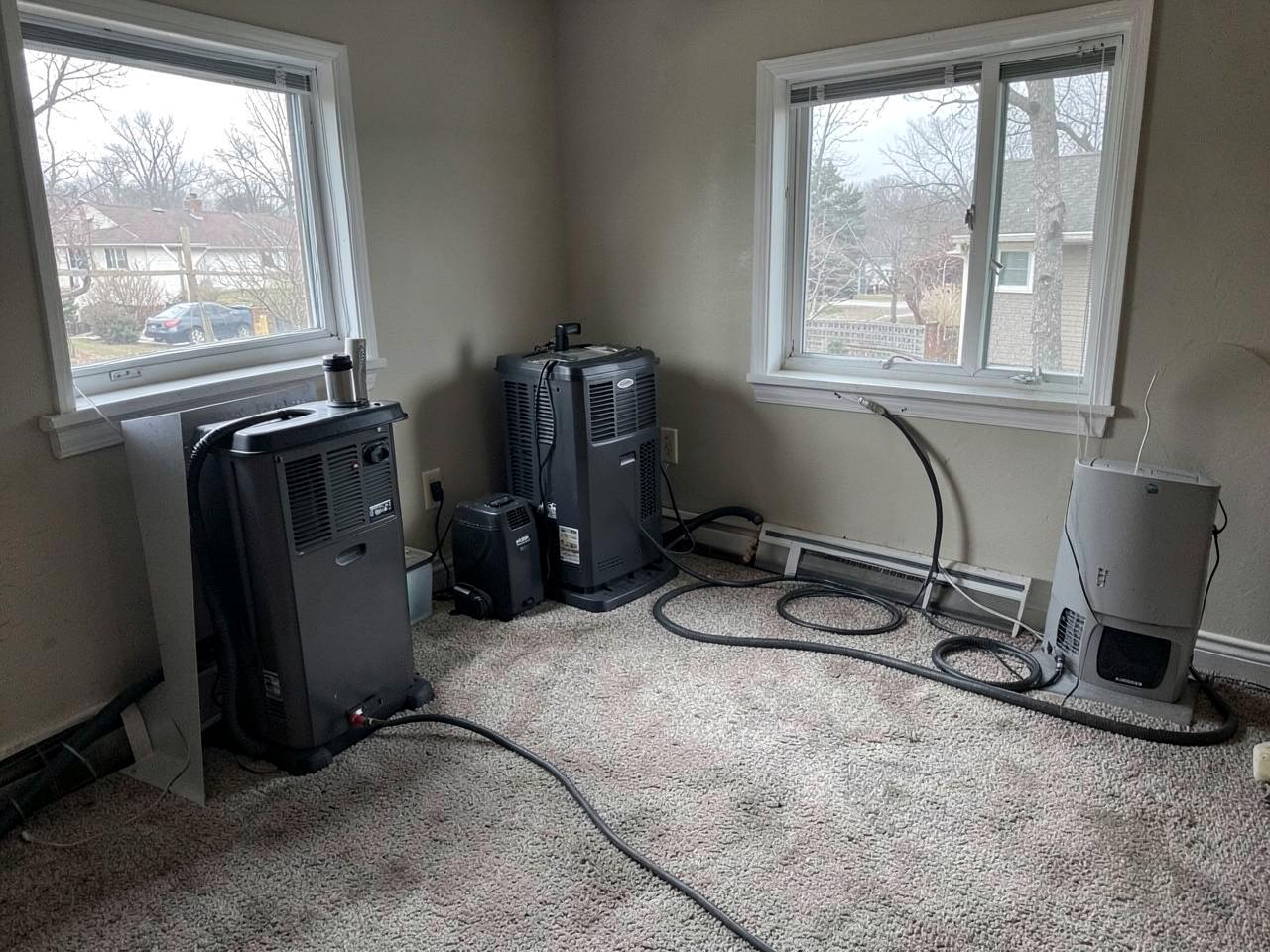
Learn MoreAir movers, dehumidifiers and moisture monitoring to dry walls, floors and cavities completely.
Learn MoreResponse to heavy rainfall, roof leaks, window leaks, foundation water intrusion and basement flooding.
Learn MoreMoisture detection and repair of damage from plumbing leaks, roof leaks and overflowing fixtures.
Learn MoreRestoration for offices, retail, restaurants, warehouses and rental properties across Mississauga.
Learn MoreWhy choose us
No inflated promises. Just the equipment, process and communication needed to get a wet property dry and back in use.
Water spreads quickly. We prioritize getting extraction and drying started as soon as possible.
Pumps and extraction equipment sized for basements, main floors and commercial spaces.
Air movers and dehumidifiers matched to the size of the affected area and the materials involved.
Homes, condos, rental units, offices, retail and warehouses across Mississauga.
Meters and readings guide the work, so hidden moisture behind walls and under floors isn't missed.
You'll know what we found, what we're doing and what happens next at every stage.
We work throughout the city, from the lakeshore to Meadowvale and Malton.
Process
We identify the water source, map how far moisture has travelled and document affected materials before work begins.
Standing water is removed with pumps and extraction equipment to stop it soaking further into floors and walls.
Air movers and dehumidifiers pull moisture out of the structure while readings are monitored until targets are met.
Affected surfaces and contents are cleaned and sanitized, with unsalvageable materials removed and disposed of.
Drywall, flooring, trim and finishes are repaired or replaced so the space is usable again.
Causes
Aging copper, failed fittings and pressure surges can release a large volume of water in minutes.
Winter cold snaps freeze lines in exterior walls, garages and unheated spaces until they split.
Ground water, drainage failures and plumbing problems all end up in the lowest level of the building.
Intense storms overwhelm eavestroughs, window wells and grading, pushing water toward the foundation.
A stuck float, power outage or worn-out pump lets the pit overflow during the exact storm it was meant to handle.
Dishwashers, washing machines, fridges with water lines and hot water tanks fail quietly and often behind cabinets.
Blockages and faulty fill valves send water across bathroom floors and through ceilings below.
Blocked or surcharged municipal lines can force wastewater back through floor drains and fixtures.
Damaged shingles, flashing and ice dams let water into attics, ceilings and wall cavities.
Supply lines, valves, drain connections and radiator systems can all leak slowly for months before being noticed.
Residential
Most residential water damage starts in one of a few places and travels from there. We handle every room and level of the home, from the crawl space to the ceiling below an upstairs bathroom, in detached houses, semis, townhouses and condos.
Commercial
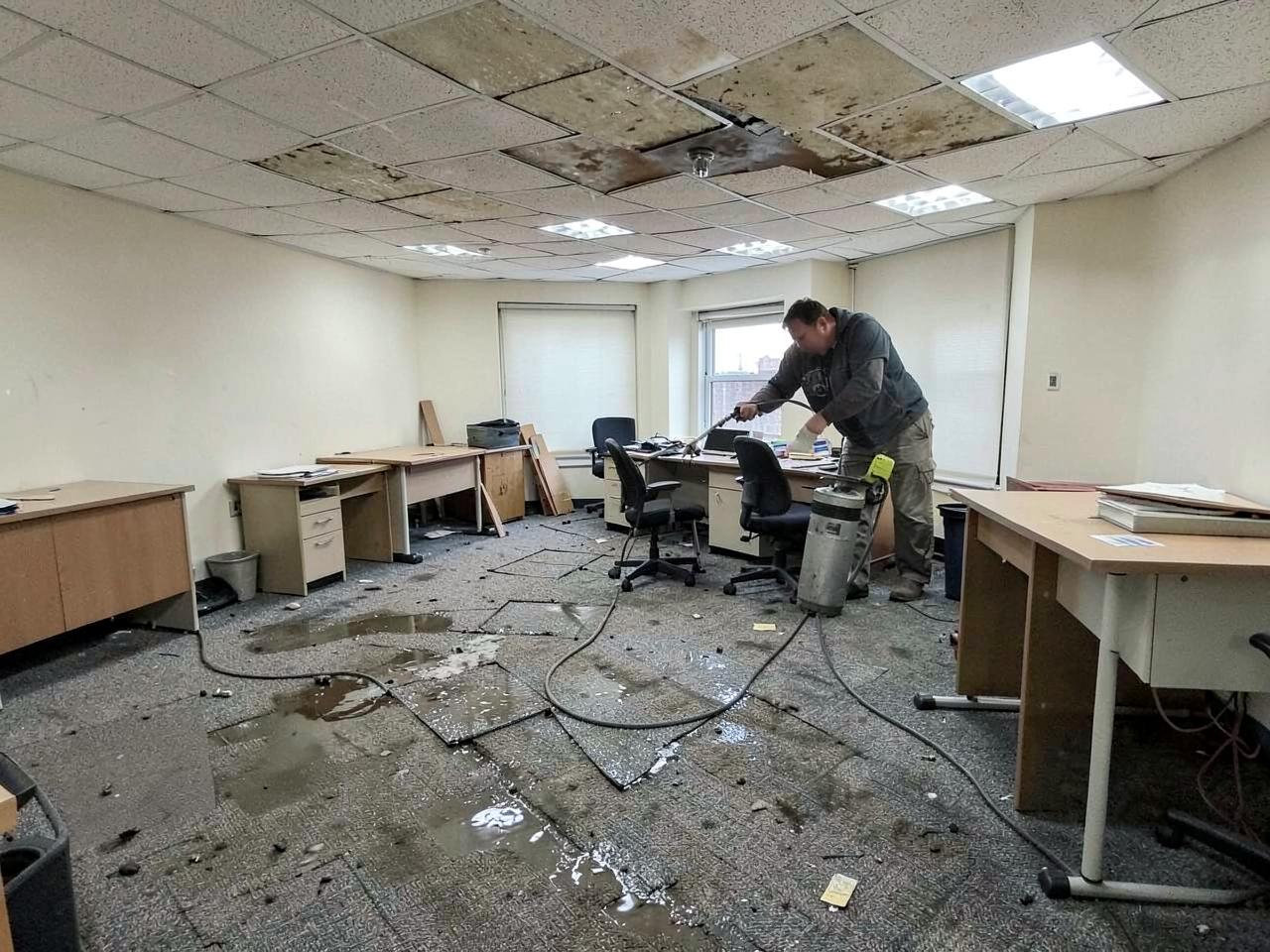
Sprinkler discharges, roof drain failures, plumbing breaks across floors and storm water in lower levels all interrupt business. We work with property managers and owners to extract, dry and restore commercial spaces with as little downtime as possible.
Local
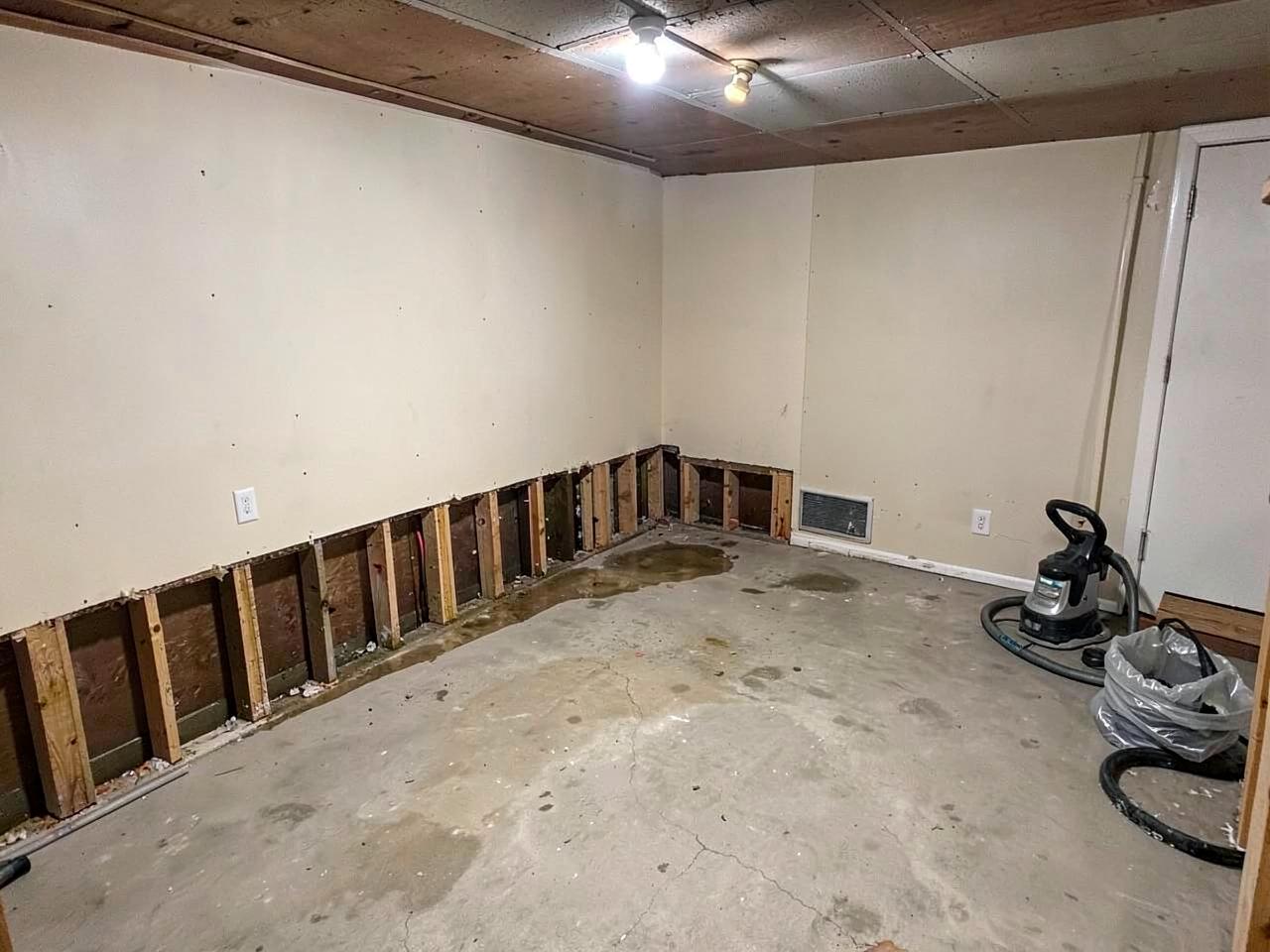
Mississauga is a large, varied city, and water damage looks different depending on where you are. Along the lakeshore in Port Credit, Lakeview and Clarkson, properties sit closer to the water table, and prolonged rain or spring thaw can push ground water against foundations that were built decades ago. In Mineola, large wooded lots mean long drain runs and mature roots that find their way into clay sewer laterals. These older, established areas also tend to have original plumbing, plaster walls and finished basements that were added long after the house was built, all of which affect how water moves and how drying is planned.
Move inland and the picture changes. Cooksville and Dixie include dense housing, older apartment buildings and multi-unit properties where a single failure on an upper floor affects several households below. Applewood is full of 1960s and 1970s split-levels and bungalows with galvanized or early copper supply lines that are reaching the end of their service life. Malton, near the airport, combines post-war homes with light industrial and commercial buildings that face sprinkler, roof drain and loading-dock water issues.
West and north Mississauga were largely built from the 1970s onward. Erin Mills and Meadowvale have thousands of homes with sump pumps, finished lower levels and long supply runs through exterior walls, so sump failures and frozen pipes are common calls. Streetsville blends a historic village core beside the Credit River with newer subdivisions around it, meaning both century-home foundations and modern window wells show up on the same street. Churchill Meadows, one of the newest communities, has many basement apartments and high-end finishes downstairs, so even a small amount of water can result in a significant restoration.
Across all of these areas, the weather is the same. Mississauga experiences intense summer thunderstorms that overwhelm eavestroughs and storm sewers within minutes, spring melt that saturates soil for weeks, and winter cold snaps that freeze pipes in garages, crawl spaces and exterior walls. The Region of Peel and the City of Mississauga both publish guidance on basement flooding prevention, including backwater valves, sump pump maintenance and downspout disconnection, and we encourage property owners to review it.
Water Damage Mississauga serves customers throughout the entire city from a single local operation. We do not maintain separate offices in each neighbourhood; we simply come to you, wherever in Mississauga your property is. Every job follows the same process: assess the source and extent, remove standing water, dry the structure with monitored equipment, clean and sanitize, and restore what was damaged. Whether it is a burst pipe in an Applewood bungalow, a sewer backup in a Lakeview basement or water damage in a Malton warehouse, the standard of work is the same.
If you are dealing with water in your property right now, the most useful things you can do are to stop the source if it is safe, keep people away from standing water near electrical equipment, and call. The sooner extraction and drying begin, the less has to be removed and rebuilt afterward.
FAQ
Straight answers on water damage, basement flooding and sewage backups in Mississauga.
All questions →If it is safe, stop the water at its source by closing the main shut-off valve or the valve for the affected fixture. Keep clear of standing water near electrical outlets or appliances, and switch off power to the area at the panel if you can reach it safely. Move valuables and furniture out of the wet area where practical, take photos for your records and insurer, then contact a restoration service so extraction and drying can start.
As soon as possible. Within the first hours, water wicks into drywall, subfloors and framing. Within a day or two, materials swell, finishes lift and the risk of microbial growth increases. Starting extraction and drying early usually means fewer materials need to be removed and the overall restoration is smaller.
Submersible pumps handle deep water, then truck- or portable-mounted extractors and weighted wands pull water out of carpet, underpad and hard surfaces. Once standing water is gone, moisture readings guide the placement of air movers and dehumidifiers to dry what remains inside the materials.
Yes. Flooded basements are one of the most common calls we receive in Mississauga. We remove the water, assess flooring, drywall and contents, dry the structure and remove anything that cannot be restored. See our basement flood cleanup page for details.
The most common causes are heavy rainfall overwhelming drainage, sump pump failure, foundation cracks and window well leaks, sewer backups during storms, and burst or frozen pipes. Older neighbourhoods with original clay drain lines and newer areas with finished basements both see regular flooding.
Yes. Sewage backups involve contaminated water and are handled differently from clean-water leaks. Affected porous materials are removed, the area is cleaned and sanitized, and the structure is dried before any rebuilding takes place.
Most residential drying projects run several days, but the timeline depends on how much water was involved, how long it sat, and the materials affected. Concrete, hardwood and plaster hold moisture longer than carpet. We take readings throughout and remove equipment once target moisture levels are reached.
Yes. Drywall absorbs water quickly and can soften, stain and crumble. Laminate and engineered flooring swell at the seams, hardwood cups and buckles, and carpet underpad holds water against the subfloor. Early drying can save some materials; others need to be removed and replaced.
Yes. We work with property managers, landlords, offices, retail stores, restaurants and warehouses throughout Mississauga, and we plan work around business hours where possible to reduce downtime.
Shut off the main water supply, open a lower-level tap to relieve pressure, and turn off electricity to affected areas if it is safe to do so. Then call for extraction. A burst pipe can release hundreds of litres of water quickly, so fast removal and drying make a large difference to the outcome.
Reviews
Coverage
Primary city
Mississauga
All neighbourhoods, residential and commercial.
Nearby communities outside Mississauga may be added as service areas later.
Contact
Tell us what's happening and we'll arrange an assessment for your Mississauga property.