What flood restoration covers
- Water removal: pumping and extraction of standing flood water.
- Removal of damaged materials: saturated drywall, insulation, carpet, underpad, laminate and unsalvageable contents.
- Drying: air movers and dehumidifiers to dry framing, subfloor, slab and remaining finishes.
- Sanitization: cleaning and treatment of surfaces exposed to flood water.
- Restoration: rebuilding walls, floors, trim and finishes.
Common causes of flooding in Mississauga
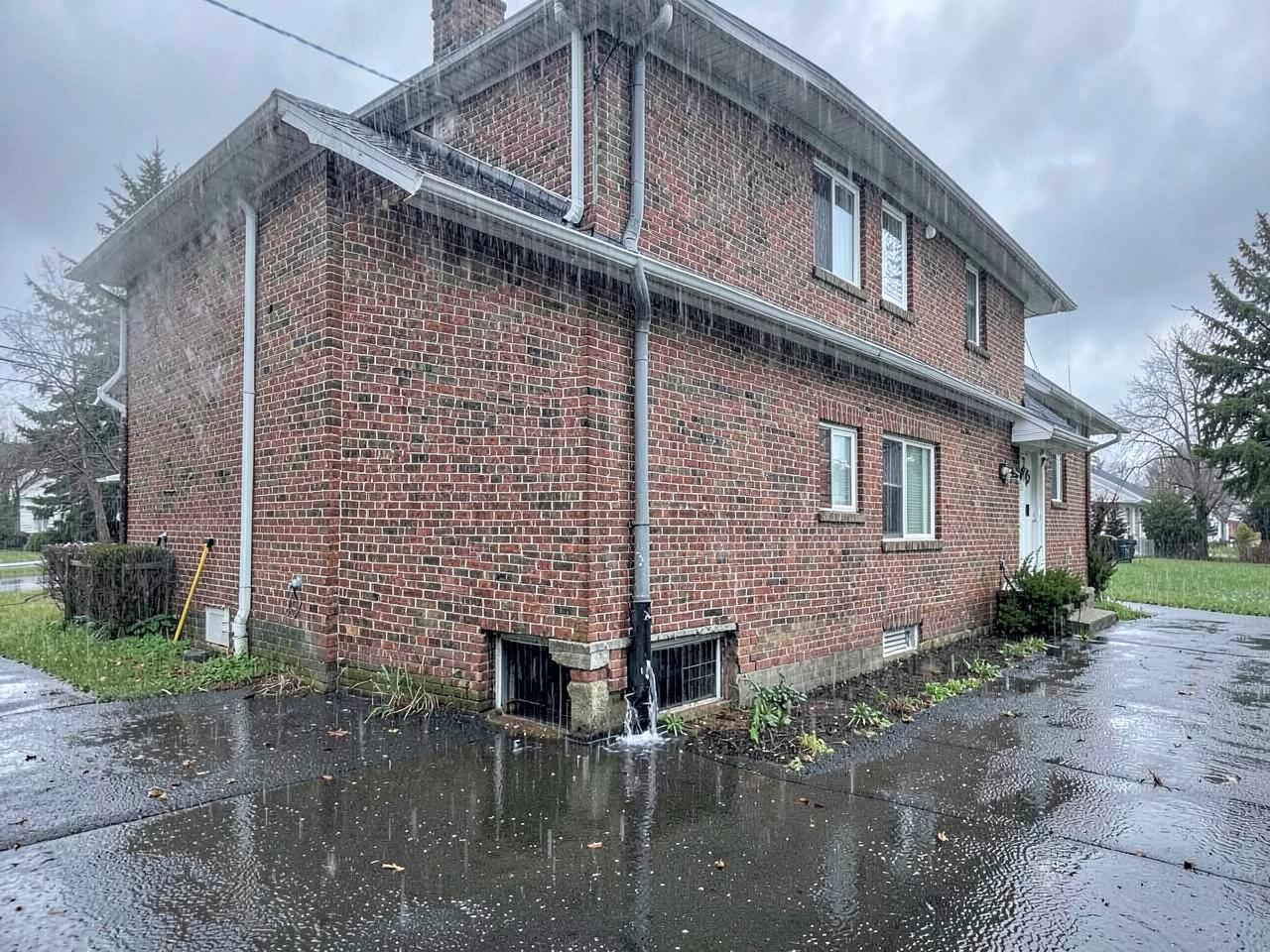
Summer thunderstorms and prolonged rain are the primary driver, especially when combined with saturated ground, blocked catch basins or overwhelmed storm sewers. Homes near creeks and the Credit River can see overland flow during major events. Inside the building, sump pump failure and sewer backups are the most common ways storm water ends up in a basement. Burst pipes and sprinkler system discharges can also flood a property with clean water, particularly in commercial and multi-unit buildings.
Warning signs after a flood
- Silt, debris or a grey residue left on floors and lower walls.
- Swollen doors, drawers and baseboards that no longer fit.
- Persistent damp or earthy smell days after the water is gone.
- Staining that climbs the wall over time as moisture wicks upward.
Our flood damage restoration process
We start by assessing the category of water and the extent of the affected area, then remove standing water. Damaged materials are cut back to clean, dry sections, commonly a 'flood cut' along the lower wall, and removed. Framing, subfloor and slab are then dried with monitored equipment. Once dry, the area is cleaned and sanitized, and the rebuild begins.
For basement-specific flooding, see our basement flood cleanup page. For storm-driven water entering through the roof, windows or foundation, see storm and rain water damage.
Why professional flood restoration matters
Flood water is often contaminated and always spreads further than it appears. Leaving wet insulation in a wall or moisture in a subfloor leads to odours, deterioration and potential microbial growth long after the visible damage has been patched. Professional restoration removes what can't be saved, dries what can and documents the process so the rebuild is done on a sound base.
Why choose Water Damage Mississauga
- Full-scope flood recovery, from pumping water to final finishes.
- Local knowledge of Mississauga's flood-prone areas and housing types.
- Moisture monitoring throughout drying, with readings available to you.
- Clear scope and communication before work begins.
Flood damage restoration across Mississauga
We respond to flooding throughout the city, including lakeshore communities like Port Credit, Lakeview and Clarkson that experience high ground water, central neighbourhoods such as Cooksville and Dixie with older drainage infrastructure, and west-end areas including Erin Mills, Meadowvale and Churchill Meadows where finished basements are the norm.
Frequently asked questions
What is the difference between flood cleanup and flood restoration?
Cleanup refers to removing water, debris and damaged materials and drying the space. Restoration includes cleanup plus the repairs and rebuilding needed to return the property to its previous condition.
How long does flood damage restoration take?
Water removal and drying typically take several days. Rebuilding depends on the scope and can range from a few days for trim and paint to several weeks for full basement finishes.
Can furniture and belongings be saved after a flood?
Hard, non-porous items can often be cleaned. Upholstered furniture, mattresses, cardboard and paper exposed to contaminated flood water generally cannot be restored safely.
This service is part of our complete water damage restoration in Mississauga.